
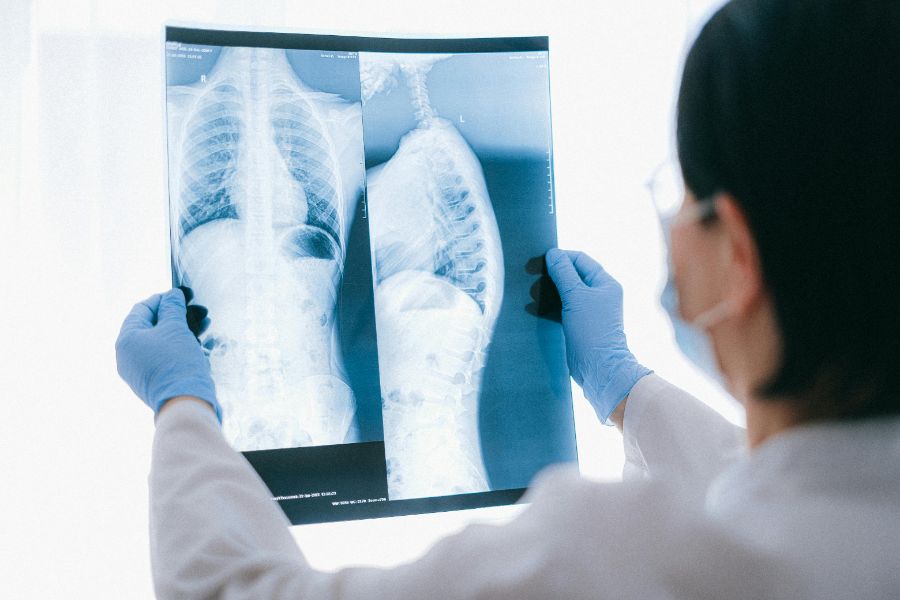
What is Chest Physio?
Chest Physio is performed by a Physiotherapist, to adults and paediatrics, to improve a patient’s breathing. This is done by removing excess secretions from the lungs, improving lung expansion, normalising breathing patterns and strengthening respiratory muscles.
Who is Chest Physio Performed On?
- Chronic respiratory diseases
- Respiratory infections
- Post surgery
- Acute trauma
- Paediatric and neonatal respiratory diseases
Why Chest Physio?
- Chest physio is recognised at a core component of the management of individuals with respiratory conditions.
- The success of chest physiotherapy stems from its favourable influence on not only the lungs but the heart and muscular system.
- Chest physio has been clearly demonstrated to reduce shortness of breath, increase exercise capacity and improve quality of life in individuals with respiratory problems.
- Chest physio is a multidisciplinary and comprehensive intervention for patients with respiratory disorders who are symptomatic and often have decreased activities of daily living.
Program:
A thorough assessment will be done on the patient followed by a comprehensive intervention. The intervention will be selected based on the findings in the assessment.
Interventions include:
- Manual chest therapy (percussions, vibrations and shaking)
- Postural drainage
- Suctioning
- Breathing exercises
- Incentive spirometer
- Mobilisation
- Pulmonary Rehabilitation
- Autogenic Drainage
- Active Cycle Breathing
Frequently Asked Questions
What is chest physiotherapy used for?
Chest physiotherapy is used to help clear mucus from the lungs, improve breathing, and support recovery in people with respiratory conditions such as infections, chronic lung disease, or after surgery.
Who can benefit from chest physiotherapy?
Chest physiotherapy can benefit both adults and children. It is commonly used for patients with respiratory infections, chronic lung conditions, post-surgical recovery, and certain paediatric respiratory conditions.
What happens during a chest physiotherapy session?
A session typically includes a combination of breathing exercises, positioning techniques, and hands-on methods to help clear the lungs and improve breathing. Treatment is tailored to each patient’s condition.
Is chest physiotherapy uncomfortable or painful?
Most techniques are gentle and should not be painful. Some patients may feel slight discomfort during mucus clearance, but this is usually temporary and helps improve breathing.
How many sessions will I need?
The number of sessions depends on your condition and its severity. Acute conditions may require short-term treatment, while chronic conditions may benefit from ongoing management.